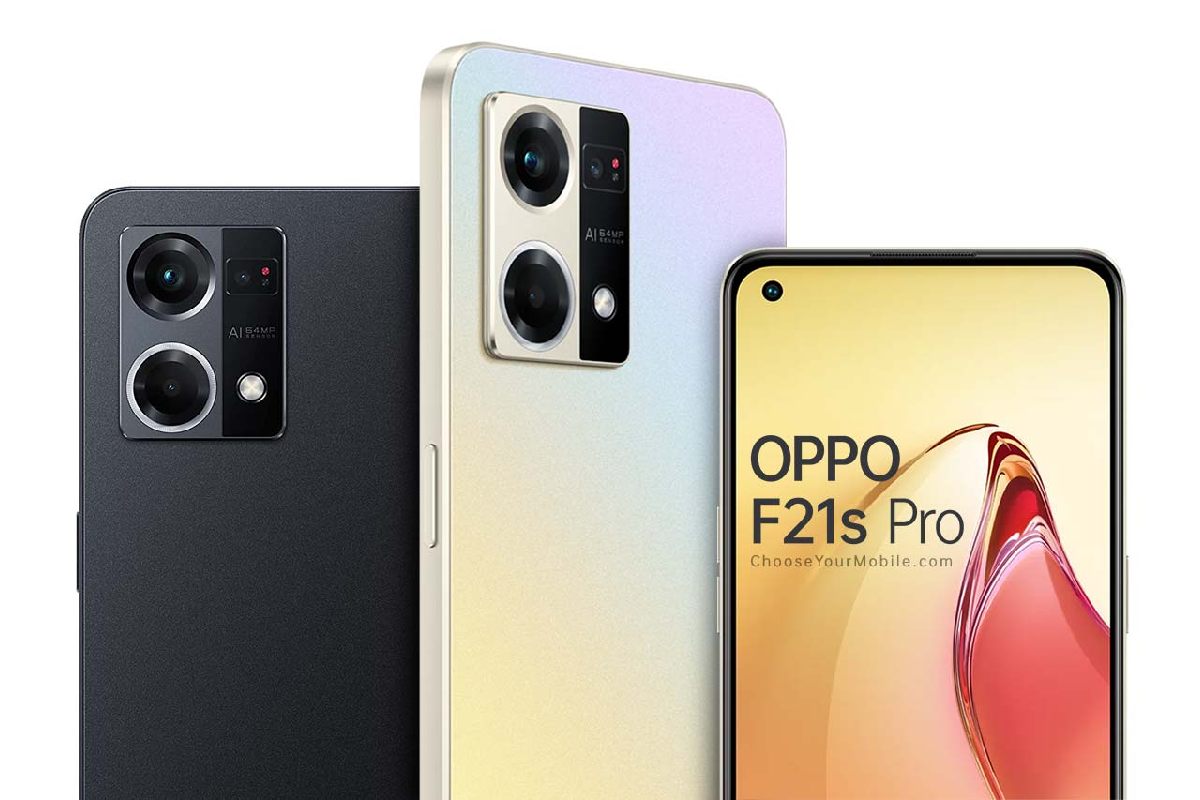
The Oppo F21s Pro, launched in late 2022, was marketed as a “Portrait Expert” for its segment. But years later, does its camera hold up against modern standards, or has the competition completely surpassed it? We tested its signature portrait capabilities head-to-head to see if it’s still a valid choice for selfie lovers and content creators on a budget.
A Note on This Review: This analysis is based on the phone’s original capabilities and market positioning from 2022-2023. While it is no longer a new device, its portrait-focused features remain relevant for buyers in the refurbished or secondary market.
This article belongs to Oppo
Portrait Camera Deep Dive: The Core Test
The F21s Pro’s primary selling point was its portrait algorithms. We put it to the test in controlled scenarios against general principles of what premium phones (like iPhones and Samsung Galaxies) typically excel at: natural skin tones, precise edge detection (especially with hair), and pleasing, not overly artificial, background blur.
| Test Scenario | Oppo F21s Pro Performance | Typical iPhone / Samsung Advantage | Verdict for Influencers |
|---|---|---|---|
| Daylight Portrait | Produces bright, even-toned skin with a noticeable “beautification” effect (smoothing). Colors are vibrant. | Prioritizes accuracy and detail, even pores and textures. Skin looks more natural. | F21s Pro is better if you want a ready-to-post, “flawless” look straight out of camera. iPhone/Samsung gives a realistic base for editing. |
| Low-Light Selfie | Struggles with noise; software heavily smoothens details to compensate, which can make the image look plastic. | Uses superior sensors and processing to preserve more detail and manage noise with less smudging. | A clear win for flagship phones. For indoor or evening selfies, the F21s Pro’s limitations are apparent. |
| Complex Edge Detection (e.g., curly hair, glasses) | Often struggles. Can blur strands of hair or parts of glasses frames. The separation can look artificial. | Generally more sophisticated algorithms and hardware depth data result in much cleaner, more accurate cut-outs. | Critical flaw for the F21s Pro. Busy backgrounds or fine details will reveal its software-based limits. |
| Rear Camera Portrait Mode | Relies heavily on its 64MP main sensor. Results are decent in good light but lack the depth data of a dedicated telephoto lens. | Higher-end models use dedicated telephoto lenses (e.g., 2x or 3x) for more professional, distortion-free portrait framing. | The F21s Pro is adequate for casual shots, but lacks the optical quality and framing flexibility of a true portrait lens. |
Is It Suitable for Influencers & Selfie Lovers?
The answer is context-dependent. The Oppo F21s Pro carves out a specific, niche suitability.
Who it might still work for:
-
Beginners or Hobbyists: If you’re starting out and prioritize a phone that delivers smooth, bright, “prettified” selfies with zero editing effort, its algorithm does that job.
-
Daylight Content Creators: For outdoor vlogs, TikTok, or Instagram Reels shot in ample natural light, the front and rear cameras can produce vibrant, engaging content.
-
Budget-First Buyers: As a used or deeply discounted device, its portrait-focused features can be a value add over other phones in a similar low price bracket.
For buyers considering a newer budget Oppo model with 5G connectivity, the Oppo A57 5G is another option worth comparing.
Deal-breaking limitations for serious creators:
-
Low-Light Performance: Poor performance in bars, restaurants, or at evening events limits its versatility.
-
Inconsistent Edges: If your brand relies on crisp, professional-looking portrait cut-outs (for product posts, graphic design), the edge detection errors will be a constant frustration.
-
Outdated Software: Launched with Android 12, it is now multiple OS versions behind, which may affect app compatibility and security for business use.
The Final Verdict: A Niche Performer in a Specific Light
The Oppo F21s Pro wasn’t a “Portrait Expert” in the universal sense of beating all competitors. It was an expert at a specific style: producing highly processed, beautified, and vibrant portraits in good lighting conditions.
-
Consider it if you can find it at a significant discount, your primary use is sunny-day selfies, and you prefer your photos to look digitally enhanced right away.
-
Look for a newer phone if you need reliable performance in varied lighting, professional-grade edge detection, more natural image processing, or current software support.
Buyers comparing older budget Oppo smartphones can also explore the Oppo A15s as another affordable option for everyday use.
In essence, it excelled at making social media-ready selfies easy, but fell short of offering the consistent, hardware-driven portrait quality of higher-end devices.