

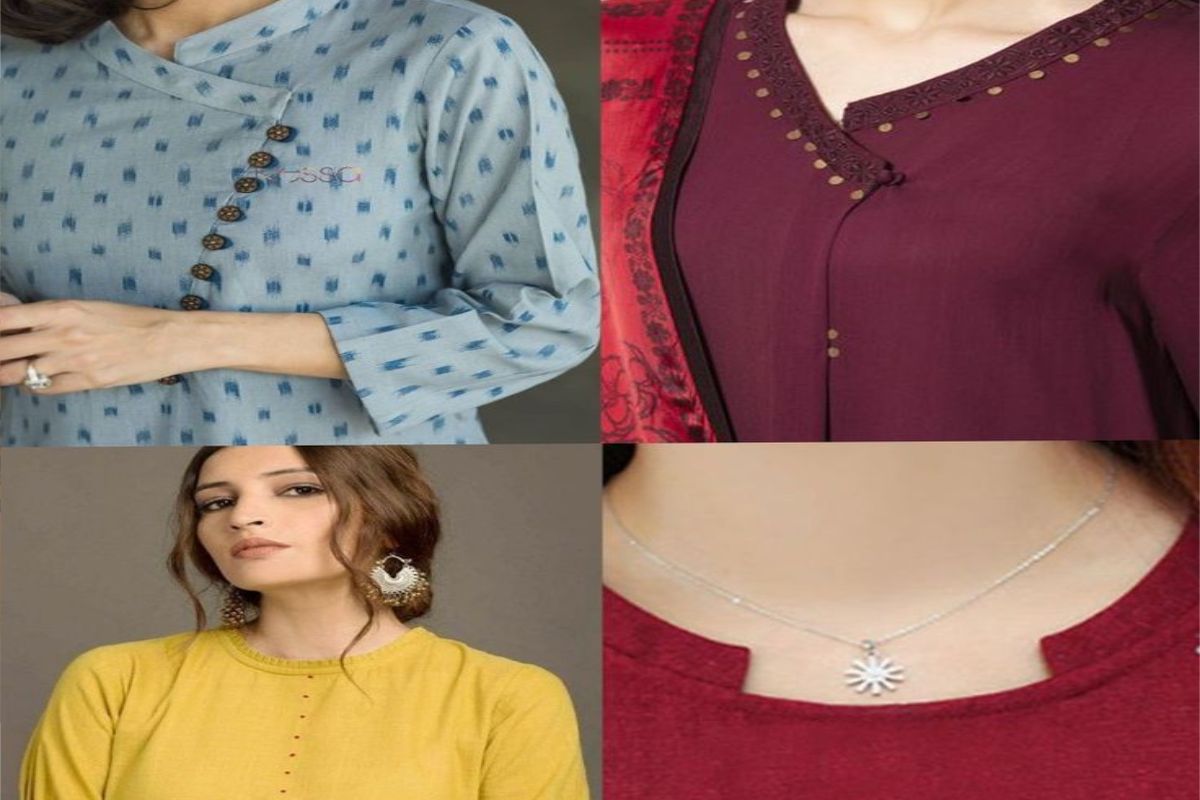
Choosing a kurti neckline is more than picking a shape; it’s about creating a flattering silhouette, expressing personal style, and feeling confident for any occasion. This definitive guide moves beyond a simple gallery to provide comprehensive advice organized by design category, with specific recommendations for body type, fabric pairing, and accessorizing. Learn how to choose a neckline that feels uniquely you.
Part 1: Neckline Design Categories
Understanding the character of each neckline is the first step to mastering your style.
A. Classic & Timeless Necklines
These foundational designs are versatile, elegant, and form the basis of a sustainable wardrobe.
-
Key Styles: Round Neck, V-Neck, Boat Neck, Square Neck.
-
Best Body Types:
-
Round Neck: Universally flattering, ideal for balancing a square jawline.
-
V-Neck: Elongates the neck and torso. Excellent for pear-shaped and plus-size figures as it creates a vertical line.
-
Boat Neck: Broadens narrow shoulders, creating balance. Perfect for pear-shaped and hourglass figures, but can overwhelm a broad shoulder or bust.
-
Square Neck: Highlights the collarbones. Flatters most, but is particularly striking on slender or rectangle body types.
-
-
Ideal Fabrics: Cotton, Linen, Silk for structure; Chiffon, Georgette for a softer drape.
-
How to Accessorize: Classic necks love statement pieces. Pair a V-neck with a longer pendant to accentuate the line. Boat and square necks are perfect for statement earrings or chokers, as they keep the décolletage area clear.
B. Modern & Contemporary Necklines
These designs are for making a fashion-forward statement and adding an element of surprise.
-
Key Styles: Keyhole, Asymmetrical, Cold-Shoulder, High-Neck with Cut-Outs.
-
Best Body Types:
-
Keyhole: Adds intrigue without being overly revealing. Great for hourglass or rectangle shapes to draw attention to the center.
-
Asymmetrical: Creates dynamic visual interest. Works well for most body types, especially to subtly balance asymmetrical shoulders.
-
Cold-Shoulder: A playful take on traditional. Ideal for those with toned arms and shoulders (inverted triangle, athletic builds).
-
-
Ideal Fabrics: Structured crepes, cotton blends, velvet to hold the unique shape.
-
How to Accessorize: Keep accessories minimal and let the neckline shine. Delicate layered necklaces work with keyholes, while bold cuffs or bracelets can complement a cold-shoulder style. Avoid competing neckpieces with highly detailed asymmetrical designs.
C. Festive & Traditional Necklines
Inspired by heritage, these designs are ornate and perfect for celebrations and weddings.
-
Key Styles: Elaborate Mandarin/Stand-up Collar, Sweetheart, Deep Back Necklines, Heavily Embroidered Round or V-Necks.
-
Best Body Types:
-
Mandarin Collar: Elongates the neck. Flattering for those with longer necks and can add structure to a softer jawline.
-
Sweetheart: Romantic and feminine, mimicking the top of a heart. Exceptionally flattering for hourglass and pear shapes, and can soften broader shoulders.
-
Heavy Embroidered/Worked Necklines: Add volume to the upper body, which can balance out a pear-shaped figure or enhance a slender frame.
-
-
Ideal Fabrics: Silk, Brocade, Velvet, Net with embroidery, Banarasi to support the weight and detail of the embellishments.
-
How to Accessorize: Jhumkas or chandbalis (traditional Indian earrings) are the perfect complement. If the neckline is heavily worked, skip a necklace and opt for stacked bangles (kadas), a maang tikka, or a bold passa (side necklace).
Part 2: The “How to Choose” Decision Framework
Follow this simple three-step process to find your perfect neckline every time.
Step 1: Know Your Silhouette Goal
-
To Elongate: Choose deep, vertical lines like V-necks or long keyholes.
-
To Broaden: Opt for horizontal lines like boat necks or wide square necks.
-
To Highlight: Select designs that frame your best features—sweetheart for décolletage, mandarin for a long neck, asymmetrical for boldness.
Step 2: Match the Fabric to the Form
-
Stiff Fabrics (Cotton, Linen, Brocade): Hold structured shapes best (square, mandarin, boat neck).
-
Fluid Fabrics (Chiffon, Georgette, Silk): Drape beautifully into softer styles (cowl, scoop, deep V-necks). Heavy embellishments need a sturdy base fabric.
Step 3: Occasion is Everything
-
Casual/Daywear: Stick to classic, simple necks in breathable fabrics like cotton.
-
Office/Formal: Opt for elegant, modest cuts like a tailored round, V-neck, or subtle keyhole.
-
Party/Festive: Embrace statement designs with embellishments—sweetheart, asymmetric, or heavily worked necks.
-
Wedding/Grand Event: Go for traditional, ornate styles like a fully embroidered mandarin collar or a regal back-neck design.
Final Pro-Tip: When in doubt, a well-fitted classic V-neck or round neck is the most universally flattering and versatile choice. You can always elevate it with bold jewelry.
Part 3: Frequently Asked Questions
Q: I have a broad chest and shoulders. What neckline should I avoid?
A: Be cautious with wide horizontal necklines like boat necks or wide square cuts, as they can emphasize breadth. Instead, try deep V-necks, vertical keyholes, or sweetheart necklines to create a longer, more balanced look.
Q: Can I alter the neckline of an existing kurti?
A: Absolutely! Simple alterations are possible: a round neck can be converted into a shallow V or square neck. Adding contrast piping, a lace insert, or a decorative neck patti (band) can also refresh an old design. For major changes, consult a professional tailor.
Q: What is the one accessory that works with almost every neckline?
A: Statement earrings. Whether you’re wearing a busy high neck or a simple scoop neck, the right earrings can complete your look without competing with the neckline itself.
By understanding the “why” behind each design, you can move beyond following trends and start creating a personalized kurti wardrobe that makes you look and feel your absolute best.