

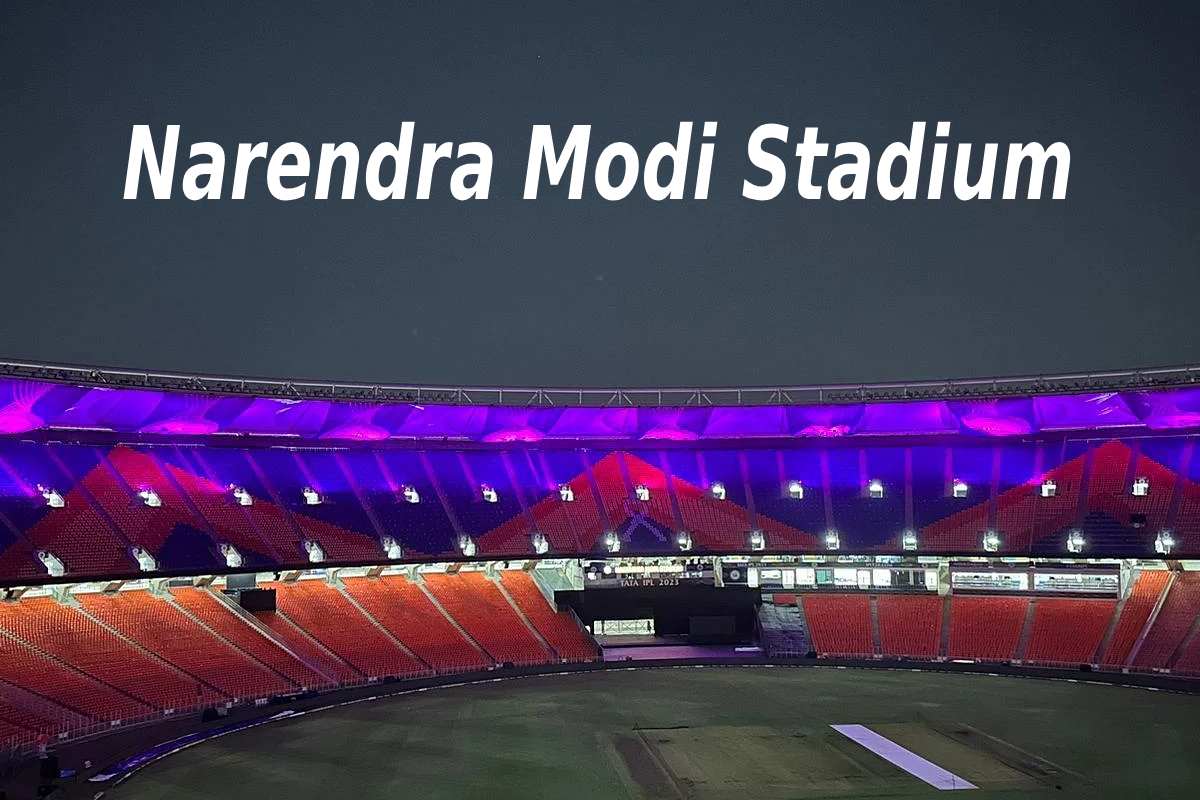
Executive Summary: What Makes This Stadium Special?
The Narendra Modi Stadium (formerly Sardar Patel Stadium) in Ahmedabad isn’t just a cricket ground—it’s an architectural marvel and the world’s largest cricket stadium by capacity (132,000 spectators). This guide provides what typical photo galleries miss: the engineering breakthroughs behind its design, strategic photo locations most visitors overlook, and practical insights for planning your visit. Whether you’re a cricket enthusiast, architecture student, or travel planner, you’ll discover why this stadium represents a new era in global sports infrastructure.
1. Historical Evolution & Significance
From Humble Beginnings to Global Icon
Phase 1: The Original Sardar Patel Stadium (1982-2015)
-
Initial Capacity: 49,000 seats (modest by today’s standards)
-
Historic Moments: Hosted 1987 Cricket World Cup matches, including India-Pakistan encounters
-
Limitations: Basic amenities, limited corporate facilities, aging infrastructure
The Transformation Decision (2015-2020)
-
Catalyst: Gujarat’s growing prominence as a sports destination and Ahmedabad’s selection as potential Olympic host city
-
Design Philosophy: Create a “stadium of the future” while honoring India’s cricketing heritage
-
Budget & Timeline: ₹800 crore reconstruction completed in 2020 despite pandemic challenges
Rebranding as Narendra Modi Stadium (2021)
-
Significance: Named after India’s Prime Minister who championed Gujarat’s development
-
Inaugural Event: March 2021 – India vs. England Day/Night Test (first international pink-ball test at venue)
-
Symbolism: Represents India’s ambition to host global sporting events
Comparative Analysis: Then vs. Now
| Aspect | Original Stadium (1982) | Narendra Modi Stadium (2020) | Improvement Factor |
|---|---|---|---|
| Capacity | 49,000 | 132,000 | 2.7x larger |
| Corporate Boxes | 12 | 76 | 6.3x increase |
| Dressing Rooms | Basic facilities | 11 team rooms with hydrotherapy | Complete overhaul |
| Parking Capacity | 3,000 vehicles | 10,000+ vehicles | 3.3x expansion |
| Technology Integration | Basic scoreboards | 4K LED screens, 5G connectivity | Revolutionary upgrade |
2. Architectural Marvel: Engineering Behind the Design
Structural Innovations
The Bowl Design Concept
-
Optimal Viewing: 360° continuous seating with no obstructed views
-
Roof Engineering: Cantilevered fabric roof covering 70% of seats while allowing natural airflow
-
Acoustic Design: Sound-reflective surfaces creating exceptional stadium acoustics without echo
Sustainable Features
-
Water Management: 8 rainwater harvesting ponds collecting 10 million liters annually
-
Solar Power: 500+ kW rooftop solar panels meeting 20% of stadium’s energy needs
-
Waste Treatment: On-site sewage treatment plant recycling water for pitch irrigation
Material Science Application
-
Seating Material: Molded plastic seats with UV protection, arranged in color-coded zones
-
Pitch Technology: Hybrid grass system with sub-surface aeration and vacuum drainage
-
Lighting System: 650+ LED fixtures providing 2500 lux uniform illumination
Capacity & Layout Analysis
Section Breakdown by Viewing Experience:
| Zone | Capacity | Price Range | Key Features |
|---|---|---|---|
| Premium Pavilion | 8,000 | ₹10,000+ | Lounge access, gourmet catering, premium sightlines |
| Corporate Boxes | 4,560 | ₹25,000+ | Private suites, dedicated waitstaff, business facilities |
| Club House | 12,000 | ₹5,000-8,000 | Air-conditioned concourses, upscale food options |
| General Stands | 107,440 | ₹500-2,000 | Traditional stadium experience, lively atmosphere |
Accessibility Features
-
250+ wheelchair spaces with companion seating
-
Tactile pathways for visually impaired visitors
-
Elevators serving all levels (45 total)
-
Multilingual signage in 6 languages
3. Virtual Tour & Photography Guide
Best Photo Spots (With Technical Recommendations)
Exterior Photography
-
Panoramic Shot Location: Parking Lot 4, evening golden hour
-
Equipment: Wide-angle lens (16-35mm), tripod recommended
-
Composition: Include leading lines from walkways, capture stadium glow at dusk
-
Best Time: 30 minutes before sunset
-
-
Architectural Detail Locations:
-
The Grand Entrance: Shoot upward to emphasize scale (ultra-wide lens: 12-24mm)
-
Facade Patterns: Late morning side lighting reveals texture (telephoto: 70-200mm)
-
Reflection Shots: After rain, use puddles for symmetrical reflections
-
Interior Photography
3. Empty Stadium Majesty:
-
Access: Available on non-match days through guided tours
-
Vantage Points: Media center balcony (highest public access point)
-
Settings: f/8-11 aperture for depth, ISO 100 for clarity
-
Match-Day Atmosphere:
-
Crowd Patterns: Shoot during wave or Mexican wave sequences
-
Player Action: Recommended lenses: 300mm+ for field coverage
-
Night Photography: Stadium lights create dramatic contrasts (ISO 800-1600, fast shutter)
-
Hidden Perspectives Most Visitors Miss
5. Tunnel View: From players’ entrance looking toward field (requires special access)
6. Roof Structure: From upper concourses looking upward at engineering details
7. Color Transitions: Evening shots capturing seat color gradients under changing light
360° Virtual Experience
Key Areas Accessible Through Digital Tour:
-
Players’ Dressing Room: Interactive view of Team India’s preparation area
-
Pitch-Side: Virtual walk along boundary rope
-
Media Center: Experience press conference setup
-
Corporate Suite: Luxury amenities showcase
Photography Equipment Advisory
| Scenario | Recommended Gear | Settings | Pro Tip |
|---|---|---|---|
| Daytime Exterior | DSLR/Mirrorless, 24-70mm lens | f/8, ISO 100, 1/250s | Use polarizing filter for blue skies |
| Night Match | Fast lens (f/2.8), full-frame camera | f/2.8-4, ISO 1600-3200, 1/500s | Shoot in RAW for light correction |
| Architectural Details | Telephoto zoom (70-200mm) | f/5.6, ISO 200, 1/125s | Look for repeating patterns |
| Crowd Atmosphere | Wide-angle prime (35mm) | f/4, ISO 400, 1/250s | Capture candid fan reactions |
4. Visitor Information & Practical Guide
Match-Day Experience
Ticketing Strategy:
-
Premium Matches: Book 2-3 months in advance through official channels
-
Regular Games: Tickets available 4-6 weeks prior
-
Last-Minute Options: Authorized resellers (verify authenticity)
-
Price Variations: 300% difference between low-demand and high-profile matches
Seating Selection Guide:
| Preference | Recommended Sections | Rationale |
|---|---|---|
| Boundary Action | M1-M8, N1-N8 (Mid-Wicket) | Close to fielding hotspots |
| Pace Bowling View | C1-C10, D1-D10 (Behind Bowler) | Perfect angle for speed assessment |
| Spin Bowling View | Upper Tier behind wickets | Better trajectory perspective |
| Family Experience | Lower tier near concessions | Easy access to amenities |
| Photography Focus | Aisles near media positions | Unobstructed sightlines |
Transportation & Access
Arrival Planning Timeline:
-
High-Profile Matches: Arrive 3 hours before start (security + crowd management)
-
Regular Games: 90 minutes sufficient
-
Non-Match Days: 30 minutes for tour registration
Parking Strategy:
-
Lot 1 & 2: Closest to stadium (reserved for premium tickets)
-
Lot 3 & 4: General parking (₹500/match day)
-
Public Transport: Ahmedabad Metro (Narendra Modi Stadium Station)
-
Ride-Sharing: Designated zones at Gates 3 & 7
Amenities & Facilities
Food & Beverage Analysis:
-
Premium Zones: Multi-cuisine restaurants, bar service (international matches)
-
General Stands: 54 concession stands (vegetarian focus, regional specialties)
-
Pricing: 20-30% above city rates during matches
-
Specialty: “Stadium Special Thali” during test matches
Technology Integration:
-
Stadium App: Live replays, food ordering, wayfinding
-
Wi-Fi Coverage: Free in concourses, premium in seats
-
Cashless Systems: UPI dominance (95% transactions)
Stadium Tours & Special Access
Standard Tour (₹1500/person):
-
Duration: 2 hours
-
Access: Dressing rooms, pitch-side, media center, premium areas
-
Timings: 10 AM, 1 PM, 4 PM (non-match days)
-
Booking: Online recommended, limited walk-in availability
Behind-the-Scenes Experience (₹5000/person):
-
Includes: Interactive pitch session, cricket simulator, meeting curator/ground staff
-
Group Size: Limited to 15 people
-
Availability: Twice weekly (Wednesday & Saturday)
Photography-Focused Tour (₹7500):
-
Special Access: Roof structure, tunnel areas, lighting control room
-
Equipment Allowed: Professional gear permitted
-
Guide: Stadium photographer accompaniment
5. Future Developments & Legacy Planning
Upcoming Enhancements (2024-2026)
Phase 3 Expansion Plans:
-
Retractable Roof: Feasibility study underway (potential 2026 implementation)
-
Hybrid Grass System: Collaboration with Australian turf experts
-
Museum Expansion: Interactive cricket history exhibit (5000 sq ft addition)
Technology Roadmap:
-
Augmented Reality: Player stats overlay for spectators
-
AI-Powered Services: Predictive concession ordering, personalized highlights
-
Sustainability Goals: Carbon-neutral operations by 2027
Global Event Ambitions:
-
2036 Olympic Bid: Centerpiece venue potential
-
ICC Tournament Hosting: 2029 Champions Trophy, 2031 Cricket World Cup
-
Multi-Sport Adaptation: Football configuration testing underway
6. Comparative Analysis with Global Stadiums
| Stadium | Capacity | Special Feature | Tourism Impact |
|---|---|---|---|
| Narendra Modi Stadium | 132,000 | Largest cricket capacity | 500,000+ annual visitors |
| Melbourne Cricket Ground | 100,024 | Oldest active stadium | 3.5 million annual visitors |
| Camp Nou (Barcelona) | 99,354 | Football-centric design | 1.2 million stadium tours |
| AT&T Stadium (Dallas) | 80,000 | Retractable roof technology | 800,000 event attendees |
Unique Selling Propositions:
-
Cultural Integration: Blends modern engineering with Indian aesthetic elements
-
Technological Democratization: Premium features accessible across price categories
-
Community Engagement: Local employment (70% staff from Gujarat), neighborhood development initiatives
7. Photography Ethics & Regulations
Permitted Equipment:
-
Match days: Lenses up to 200mm (no professional rigs without accreditation)
-
Non-match days: All equipment allowed during tours
-
Drone photography: Strictly prohibited without Civil Aviation clearance
Commercial Photography:
-
₹50,000/day fee for professional shoots
-
Advance permission required (30-day notice)
-
Insurance requirements: ₹5 crore liability coverage
Social Media Guidelines:
-
Tagging: @narendramodistadium (official handle)
-
Hashtag recommendations: #NarendraModiStadium #WorldsLargestCricketStadium
-
Content restrictions: No live streaming of matches
8. Economic Impact & Local Integration
Tourism Statistics:
-
Annual Visitors: 550,000+ (40% international)
-
Hotel Occupancy Spike: 85% during test matches (normally 65%)
-
Local Business Impact: ₹250 crore annual revenue generation
Community Programs:
-
Youth Cricket: Free coaching for 5,000+ local children annually
-
Employment: 3,500 direct jobs, 12,000 indirect
-
Vendor Development: 200+ local suppliers in stadium ecosystem
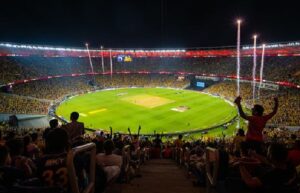
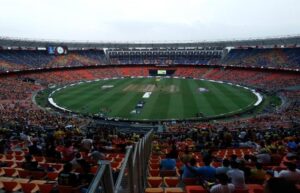
Narendra Modi Stadium Photos
Frequently Asked Question
1. What is the seating capacity of Narender Modi Cricket Stadium?
Narender Modi Cricket Stadium is the world’s largest cricket stadium, accommodating over 132,000 spectators.
2. How do I reach Narendra Modi Stadium?
The stadium is easily accessible by road and is well-connected to major transportation hubs. Local taxis and public transport options are readily available. Narendra Modi Stadium in Motera, Ahmedabad, is near Torrent Power and Sardar Patel Gujarat Stadium.
3. How early should I arrive at the stadium before a match?
It’s best to get to the stadium well in advance. Ideally, it should be a few hours before the game is due to start to make sure you have enough time to find your seats and go through security.
4. Can I bring banners or flags to support my favorite team?
Banners and flags supporting your favorite team are usually allowed but are subject to security checks. It’s essential to ensure that they do not obstruct the view of other spectators.
5. Are there facilities for differently-abled spectators?
Narender Modi Cricket Stadium has facilities for differently-abled spectators, including wheelchair-accessible seating areas and restroom facilities.
6. Can I enter the stadium with a camera or smartphone?
Spectators are generally allowed to bring cameras and smartphones to capture the moments. However, professional photography equipment with detachable lenses may require special permission.
7. Can I rent the ground for an event?
Depending on the ground’s availability and the kind of event you are planning, Narendra Modi Stadium in Motera, Ahmedabad, sometimes allows renting the ground for events. To learn more, don’t hesitate to contact them directly.