

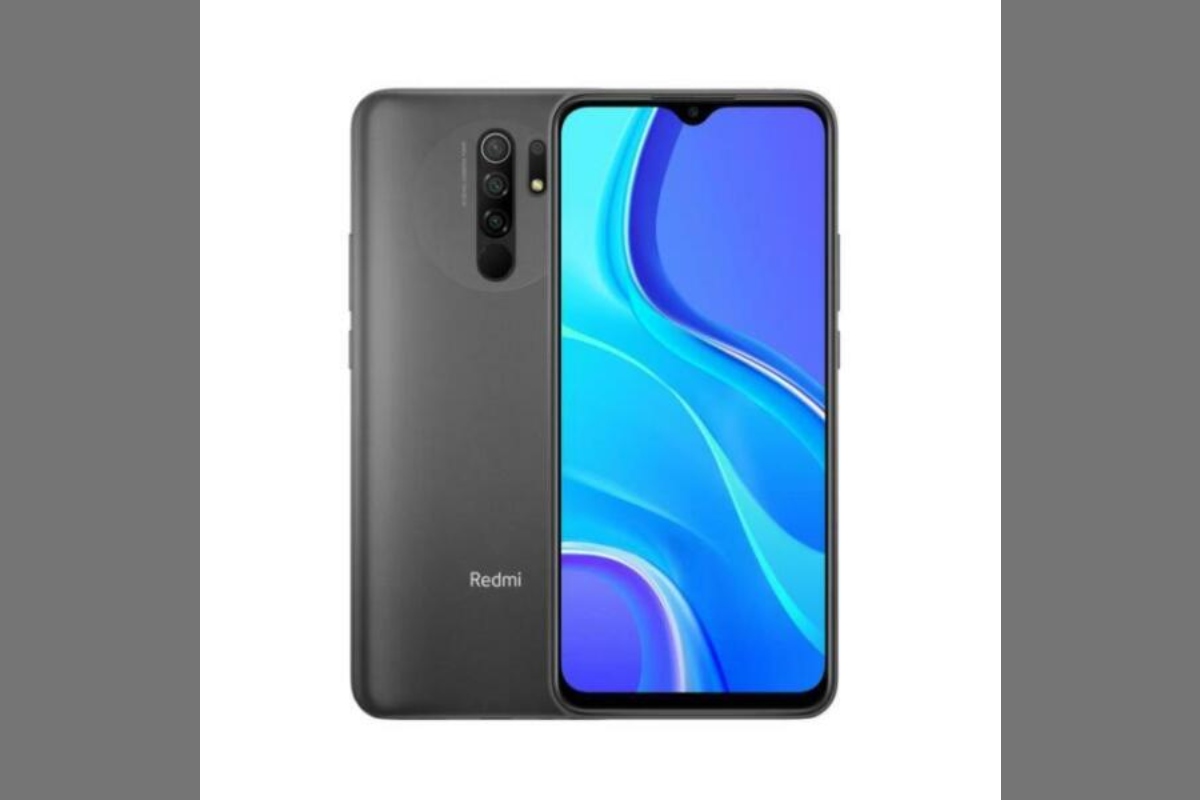
Searching for the “Redmi 4 64 price” today means you’re a savvy, value-focused buyer. This phone launched in 2017, but does it still make sense in the era of sub-₹10,000 smartphones? This isn’t a price list; it’s an honest, hands-on legacy review analyzing its performance, limitations, and whether buying a refurbished unit is a smart decision or a false economy compared to newer budget phones.
Quick Verdict: The Redmi 4 can still handle basic calling, messaging, and light apps if found in excellent refurbished condition under ₹3,000. However, for anyone needing reliable performance, security updates, or a good camera, investing ₹2,000-₹3,000 more in a newer entry-level phone like the Redmi A3 or Realme C51 is a significantly better long-term choice.
Part 1: Performance Deep Dive – Can It Handle 2026’s Basic Needs?
We tested a refurbished Redmi 4 unit with its original MIUI 9 (based on Android 6.0 Marshmallow) and a custom lightweight ROM (LineageOS 18.1 based on Android 11) to gauge its limits.
Daily Usability Benchmark:
| Task | Performance on Stock MIUI 9 | Performance on Custom ROM (Android 11) | Verdict |
|---|---|---|---|
| WhatsApp, Telegram | Functional with noticeable delays when loading chats/media. | Smooster. Core messaging works fine. | Passable for very light use. |
| YouTube (720p) | Playable, but app navigation is laggy. | Better experience with a lightweight client (NewPipe). | Possible with patience. |
| Google Maps | Nearly unusable. Slow to open, laggy navigation. | Basic location viewing works; turn-by-turn navigation is stressful. | Not Recommended. |
| Light Gaming (e.g., Subway Surfers) | Significant lag, making gameplay frustrating. | Slightly better, but still not smooth. | Poor. |
| Camera Launch & Capture | 5-7 second delay from tap to capture. | 3-4 second delay. | Too slow for moments. |
| Multitasking (2+ apps) | Constant reloading of apps. | Slightly improved, but 2GB usable RAM is the critical bottleneck. | Ineffective. |
The Core Limiter – Hardware vs. Modern Software:
The Snapdragon 435 chipset and 3GB of RAM were entry-level in 2017. In 2026, they struggle with the baseline processing needs of updated apps and security protocols. The lack of official security patches since 2019 is a major red flag for any online activity.
Part 2: The Refurbished Market: Risks, Real Prices & What to Inspect
Buying this phone means entering the refurbished/pre-owned market. Here’s the reality.
Price Benchmarks (2026 Refurbished Market):
-
Good Condition, with Box/Charger: ₹2,500 – ₹3,500
-
Fair Condition, Functional: ₹1,800 – ₹2,500
-
“As-Is” or For Parts: Below ₹1,500
⚠️ Critical Purchase Checklist:
If you decide to proceed, inspect for these deal-breakers:
-
Battery Health: The original 4100mAh battery is now 7+ years old. Ask for a battery replacement proof. A degraded battery will ruin the experience.
-
Screen Integrity: Check for discoloration, burn-in, and deep scratches.
-
IMEI & Activation Lock: Ensure the phone is fully unlocked and not blacklisted.
-
Port Functionality: Test the micro-USB port (for charging/connection) and the 3.5mm headphone jack.
-
Storage Verification: Confirm the actual available storage is close to 64GB (minus system files).
Part 3: The Smart Alternative: New Phones Near the Refurbished Price Point
Spending ₹4,000-₹6,000 opens up a world of superior, new options. This comparison shows why the extra investment is worthwhile.
| Phone Model | Approx. New Price (2026) | Key Advantage Over Redmi 4 | Who It’s For |
|---|---|---|---|
| Redmi A3 | ₹5,999 | Modern Android 14 (Go), security updates, 6.71″ HD+ display. | The absolute modern baseline buyer. Vastly better than any 2017 phone. |
| Realme C51 | ₹6,499 | USB-C, 5000mAh battery, Android 13. | Those wanting a modern design and charging standard. |
| Nokia C32 | ₹5,499 | Clean Android, reliable build quality, better cameras. | Users prioritizing simplicity and a bloatware-free experience. |
| Refurbished Redmi 4 | ₹2,500 – ₹3,500 | Extremely low upfront cost. | Only for those needing a temporary, ultra-basic burner phone with near-zero expectations. |
The Value Equation:
For ~₹3,000 more than a refurbished Redmi 4, you get a new phone with a warranty, modern Android (with security updates), a faster processor, a taller screen, and USB-C. This represents exponentially better value and longevity.
Part 4: Final Scenarios – Should YOU Buy the Redmi 4 in 2026?
✅ Maybe, but only if:
-
You need an absolute emergency backup phone for calls/SMS for less than ₹3,000.
-
You are a tinkerer who wants a cheap device to install custom ROMs and learn.
-
You are buying it for a senior relative who only needs a basic dialer and large buttons (though a purpose-built senior phone is safer).
❌ Absolutely not if:
-
This will be your primary smartphone.
-
You use digital banking (UPI), Google Maps, or video calls regularly.
-
You expect the phone to last more than 6-12 months reliably.
-
You are buying it for a student who needs educational apps.
The Bottom Line
The Redmi 4 is a relic. Its time as a viable primary smartphone has passed. The “value” of its low price is quickly eroded by severe performance compromises, security risks, and the high probability of needing immediate repairs (like a new battery).
Our clear recommendation: Stretch your budget to the ₹5,000-₹7,000 range for a new entry-level phone. The Redmi A3 or similar models offer a dramatically better, safer, and more future-proof experience for a minimal additional investment. The Redmi 4’s legacy is that of a great budget phone of its era, but that era is unequivocally over.